One of the most effective changes you can make to improve your slumber is to sleep at the same time every day. You should also avoid using your mobile phone, computer or tablet at least 30 mins before bedtime as the blue light emitted can make it harder for you to have a good night’s sleep. If you’re not already exercising regularly, it may be a good idea to start. Regular exercise, particularly in the morning or afternoon, can impact sleep quality by raising your body temperature a few degrees.
Conducive Sleeping Environment
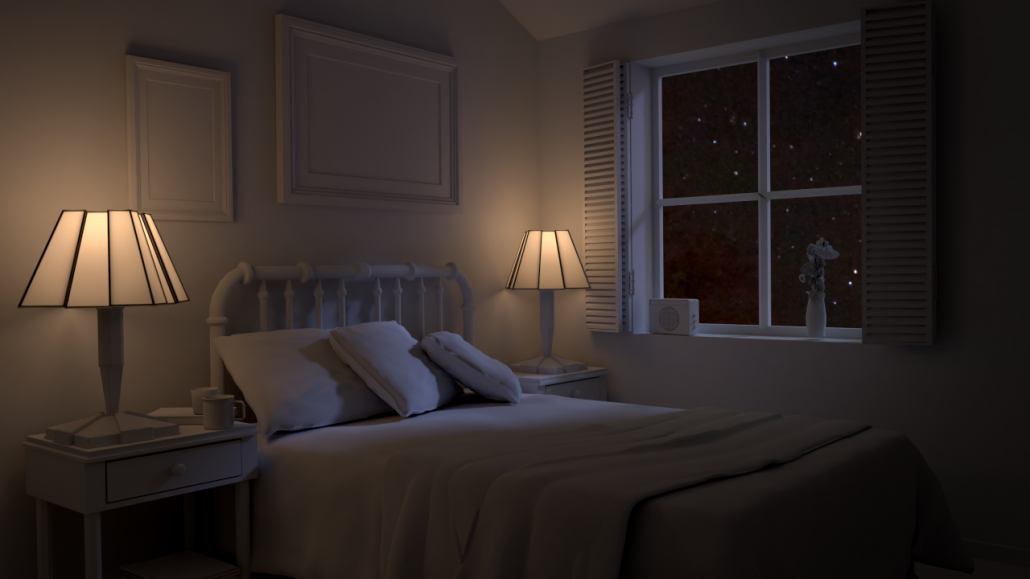
Do not underestimate the benefits that a comfortable environment can do for your sleep. If your surroundings are noisy, play white noise, nature sounds or calming music to mask the noise. Shades, eye masks, and earplugs are other things you can use to help achieve a cool, dark and quiet environment. It might also be a good idea to start a bedtime ritual to get yourself ready for bed. Try winding down by dimming the bright lights, listening to soft music, reading a book or taking a warm bath.
Diet Changes
Making some changes to your diet may help to improve your sleep. Avoid heavy meals just before bedtime. Also cut down on your caffeine as it is a stimulant that can keep you awake. Do avoid alcohol as well as it can dehydrate you and disrupts your sleep by making you wake up in the middle of the night to get a drink. Instead of eating a hearty dinner in the evenings, make lunchtime your main meal. You’ll have more time to digest it. Cutting down on spicy foods can also help prevent heartburn.
Sleep Better. Feel Better.
Sleeping well directly affects your mental and physical health. Fall short and it can take a serious toll on your daytime energy, productivity, emotional balance, and even your weight. Yet many of us regularly toss and turn at night, struggling to get the sleep we need.
Getting a good night’s sleep may seem like an impossible goal when you’re wide awake at 3 a.m., but you have much more control over the quality of your sleep than you probably realize. Just as the way you feel during your waking hours often hinges on how well you sleep at night, so the cure for sleep difficulties can often be found in your daily routine.
Unhealthy daytime habits and lifestyle choices can leave you tossing and turning at night and adversely affect your mood, brain and heart health, immune system, creativity, vitality, and weight. But by experimenting with the following tips, you can enjoy better sleep at night, boost your health, and improve how you think and feel during the day.
Tips To Better Sleep
To have a good night’s sleep, we should work to create healthy habits and a sleep routine. Just as you brush your teeth to maintain good dental health, there are things you can do to improve nighttime sleep and daytime alertness.
When we don’t get good sleep, it can contribute to a range of problems including depression and anxiety. But it can sometimes feel hard to achieve amid the pressures of daily life. To help, we have come up with these on how to get a good night’s sleep.
Go to bed and get up at about the same time every day, even on the weekends.
Sticking to a schedule helps reinforce your body’s sleep-wake cycle and can help you fall asleep more
easily at night.
Don’t eat or drink large amounts before bedtime.
Eat a light dinner at least two hours before sleeping. If you’re prone to heartburn, avoid spice or fatty foods, which can make your heartburn flare and prevent a restful sleep.
Move/Exercise at the right time for you.
Regular movement or exercise can help you get a good night’s sleep. The timing and intensity of this seems to play a key role in its effects on sleep.
Avoid nicotine, caffeine and alcohol in the evening.
These are stimulants that can keep you awake. Smokers often experience withdrawal symptoms at night, and smoking in bed is dangerous. Avoid caffeine for eight hours before your planned bedtime.
Make your bedroom quiet, dark, cool, and comfortable.
Create a room that’s ideal for sleeping. Think about lighting: if you need to get up during the night, don’t use an overhead light, but rather a lamp or night-light.
Go to bed when tired and turn out the lights.
If you don’t fall asleep within 15 to 20 minutes, get up and do something else. Go back to bed when you’re tired. If you lay in bed agonizing over falling asleep, the stress will only prevent sleep.
Use sleeping pills as a last resort.
It is best to consult with your doctor before taking any sleeping pills to ensure the pills won’t interact with any other medications you might be taking.
Take into consideration all of the factors which could hinder a good night’s sleep – from work stress as well as family duties to unpredicted problems, like health problems. It is no surprise that quality sleep is oftentimes elusive. While you might not be able to control the factors that interfere with your sleep, you can adopt habits that encourage better sleep.
Researchers have recognized a number of practices and habits-known as “sleep hygiene“- which could help anybody maximize the hours they invest sleeping, even those whose sleep is impacted by jet lag, insomnia, or shift work. Sleep hygiene may appear unimaginative, however it simply might be the best way of getting the sleep you need on this 24/7 age. Here are a few simple tips for making the sleep you have always wanted a nightly reality:
1. Stay with a sleep schedule
Put aside no greater than 8 hours for sleep. The suggested amount of sleep for any healthy adult is at least 7 hours. The majority of people have no need for more than 8 hours in bed to do this goal.
Head off to bed and get up at the same time every single day. Attempt to restrict the difference on your sleep schedule on weeknights and weekends to a maximum of 1 hour. Being consistent reinforces your own body’s sleep-wake cycle.
In case you do not drift off within around 20 minutes, get away from your bedroom and do anything relaxing. Read or tune in to calming music. Return to bed once you are tired. Do it again as required.
2. Be aware of what you eat and drink
Don’t go to sleep starving or stuffed. Particularly, refrain from heavy or large meals in just a number of hours of bedtime. Your discomfort may make you stay up.
Nicotine, caffeine as well as alcohol should have caution, as well. The stimulating impact of nicotine and caffeine require hours to wear off and could cause havoc on quality sleep. Although alcohol may make you feel sleepy, it could interrupt sleep later at night.
3. Create a restful environment
Develop a room which is perfect for sleeping. Usually, this implies cool, dark and quiet. Direct exposure to light could make it more difficult to go to sleep. Refrain from continuous use of light-emitting screens right before bedtime. Think about using room-darkening shades, ear plugs, a fan or other appliances to produce an environment which matches your needs.
Working on calming activities before going to bed, like taking a bath or utilizing relaxation techniques, may promote much better sleep.
4. Restrict daytime naps
Lengthy daytime naps could hinder nighttime sleep. If you opt to nap, limit your own self to about 30 minutes and refrain from doing this late in the day.
In case you work evenings, however, you may need to nap late on the day prior to work to make up your sleep debt.
5. Have physical activity on your daily routine
Daily physical activity could enhance better sleep. Refrain from being active too near to bedtime, however.
Investing time outside each day may be helpful, as well.
6. Handle worries
Attempt to resolve your worries or issues before going to bed. Write down what’s in your thoughts and then set it away for tomorrow.
Stress management may help. Begin with the basics, like becoming organized, setting up priorities and assigning tasks. Meditation could also relieve anxiety.
Know when you should get in touch with your doctor
Almost everybody has an occasional sleepless night – however if you frequently have trouble sleeping, speak to your doctor. Determining and treating any underlying causes could help you have the better sleep you are worthy of.
http://sleepwithpassion.com/wp-content/uploads/2021/12/Healthy-Sleep-Habits-to-Improve-Deep-Sleep.jpg6281200SWP Adminhttp://sleepwithpassion.com/wp-content/uploads/2021/07/Sleep-With-Passion-300x176.pngSWP Admin2021-12-15 04:33:352021-12-15 04:33:38Healthy Sleep Habits to Improve Deep Sleep
Excessive daytime sleepiness is described as issues staying awake or alert, or a higher desire to sleep in the daytime. The feelings of sleepiness might be stronger when you’re sedentary, for example when driving or sitting down at work. Even though it’s normal to feel drowsy occasionally right after going short in sleep, it’s deemed excessive daytime sleepiness when this occurs nearly every day for around 3 months.
It’s easy to mistake sleepiness with fatigue, given that both problems are recognized by too little energy and could occur under identical circumstances, like getting awake for a long period. The main difference is that individuals with fatigue might be unable to fall asleep in spite of feeling tired and sluggish. It’s also possible to encounter simultaneous sleepiness and fatigue.
Symptoms and Consequences of Excessive Daytime Sleepiness
Sleep plays a huge role in consolidating memory, rebuilding the immune system, and also other essential processes. Consequently, deficiencies in quality sleep might cause a number of symptoms which you might not instantly link to sleep.
Even if you don’t knowingly feel sleepy, you might be experiencing excessive sleepiness in case you’re experiencing any of these:
Difficulty staying alert
Irritation
Memory issues
Difficulty concentrating
Trouble keeping new concepts
Trouble making judgements
Slower response times
Risk-taking actions
Getting sleepy could have wide-ranging consequences on well being and everyday life. Effects of daytime sleepiness include:
Greater danger of car and work incidents
Reduced work efficiency or academic performance
Worse quality of life
Difficulties controlling mood and emotions
Social and relationship issues
Extreme sleepiness might be particularly risky for young adults, shift employees, healthcare staff, and individuals who drive a lot.
Long-term sleep deprivation may be associated with a greater chance of getting diabetes, obesity, cardiovascular disease, as well as other chronic problems. Daytime sleepiness in kids might impact development, while in older adults, daytime sleepiness raises the danger for falls and could be a risk factor for cognitive impairment, loss of memory, and earlier death.
What Can Cause Excessive Sleepiness?
There are lots of possible reasons for excessive daytime sleepiness. Probably the most common factors is a long-term deficiency of sleep, no matter whether because of long working hours, an irregular schedule, insomnia, or some other reasons.
Excessive sleepiness may also be brought on by getting fragmented or poor-quality sleep. Waking up many times every night to use the washroom, for instance, interferes with the natural development of the sleep stages and could minimize the percentage of restorative slow-wave sleep. Cigarette smoking, not working out enough, along with other lifestyle habits can also hinder sleep quality and bring about daytime sleepiness.
Numerous people who encounter excessive daytime sleepiness don’t look to have any difficulties sleeping enough. In these instances, sleepiness can be a sign of an underlying health problem or sleep issue.
When to Speak To Your Doctor
You need to see a doctor in case you’re feeling exhausted at all times, if excessive daytime sleepiness has effects on your day-to-day life, or if you think it may be an indication of an underlying problem.
Your doctor will manage tests and inquire questions regarding your sleep habits to try to identify the reason behind your sleepiness. They might also inquire your bed companion whether you gasp, snore, or move your legs during sleep. In case they suspect a sleep problem, they might recommend you to a sleep specialist to perform additional tests.
Treatment methods for daytime sleepiness depend upon the cause. The doctor will probably begin by suggesting sleep hygiene tips and motivate you to have more sleep. They might modify the medicines you are taking, and they’ll also work along with you to come up a treatment plan for underlying issues, that should be treated in themselves.
http://sleepwithpassion.com/wp-content/uploads/2021/07/Excessive-Daytime-Sleepiness.jpg7501180SWP Adminhttp://sleepwithpassion.com/wp-content/uploads/2021/07/Sleep-With-Passion-300x176.pngSWP Admin2021-07-13 09:28:412021-07-13 12:51:48Excessive Daytime Sleepiness: Causes, Test and Treatments
Hypersomnia, which is the term for either excessive daytime drowsiness or excessive time spent sleeping, is a state in which an individual has difficulty staying awake in the daytime. Those who have hypersomnia could fall asleep at any time — for example, at the office or while they’re driving. They could also have other sleep-related issues, such as less energy and difficulty thinking clearly. A few scientists categorize hypersomnia as either primary or secondary. Primary hypersomnia is a neurological ailment which takes place by itself and has no recognized underlying cause. Secondary hypersomnia happens because of an underlying medical problem.
Based on the National Sleep Foundation, as much as 40% of people get some symptoms of hypersomnia every now and then. Hypersomnia symptoms and sign include:
Stress and anxiety
Loss of Appetite
Trouble Staying Awake In the daytime
Falling Asleep at Any Time
Easily annoyed
Very low Energy
Memory Issues
Slow Speech
Slow Thinking
Causes of Hypersomnia
There are numerous possible causes of hypersomnia, including:
The sleep issues narcolepsy (daytime sleepiness) and sleep apnea (disruptions of breathing while sleeping)
Not obtaining sufficient sleep during the night (sleep deprivation)
Becoming overweight
Drug or alcohol abuse
A head trauma or a neurological illness, like multiple sclerosis or Parkinson’s disease
Prescribed drugs, like tranquilizers or antihistamines
Genetics (relativeswith hypersomnia)
Depression
Diagnosing Hypersomnia
In case you frequently feel drowsy in the daytime, speak to your doctor. To make a diagnosis of hypersomnia, your doctor asks you regarding your sleeping routines, just how much sleep you have during the night, in case you wake up at night, and whether you get to sleep in the daytime. Your doctor will also need to know if you’re having any emotional troubles or are consuming any drugs which may be disturbing your sleep.
Your doctor could also order a few tests, such as blood tests, computed tomography (CT) scans, as well as a sleep test known as polysomnography. In some instances, a further electroencephalogram (EEG), that measures the electrical activity of the brain, is required.
A doctor might want you to keep a sleep diary for a number of weeks just before setting up these tests, as well as need to know the amount of time the excessive daytime sleepiness has affected you. A diagnosis of hypersomnia will most likely not be done unless of course the offending symptoms have been in existence for around 3 continuous months, and without any obvious cause.
Natural and Prescribed Treatments for Hypersomnia
Treatment will be based significantly on the underlying cause of hypersomnia and whether it’s a primary or secondary issue. At times, catching up on sleep will relieve the excessive sleepiness; nevertheless, most of the time, it’s more effective to manage the underlying cause than it is to treat the particular symptom. The majority of common treatments are the use of stimulant medicines such as amphetamines to aid the person stay awake during the day. Additionally, behaviour therapy, sleep hygiene, as well as education are often included with the treatment regimen.
Natural Treatments for Hypersomnia
Proper sleep hygiene is an essential behavioral change which should be carried out. This consists of setting a regular sleeping routine, developing a sleeping environment which is suitable to quality sleep, a comfy bed and pillow, and staying away from caffeine or other stimulants close to bedtime.
A few treatment plans might include an effort at avoiding naps totally by using daytime stimulants, others will try to eliminate naps systematically, while some will encourage naps in well-balanced amounts and at proper times and places. The way hypersomnia gets treated, and with what final goal(s) in mind is perfectly up to the affected person, and these must be ambitious yet realistic.
http://sleepwithpassion.com/wp-content/uploads/2021/07/Hypersomnia-Symptoms-Causes-Definition-and-Treatments.jpg5921184SWP Adminhttp://sleepwithpassion.com/wp-content/uploads/2021/07/Sleep-With-Passion-300x176.pngSWP Admin2021-07-13 09:06:272021-07-13 12:31:31Hypersomnia: Symptoms, Causes, Definition and Treatments